What Is Cosmetic Damage on a Car? Cosmetic vs Structural, and What It Costs at Resale
Cosmetic damage changes how a car looks, not how it's built. Here's how it differs from structural damage, where it costs money at trade-in, auction and lease return, and when it's worth fixing.
By Dye It Rite Inc. 5 min read
In this article
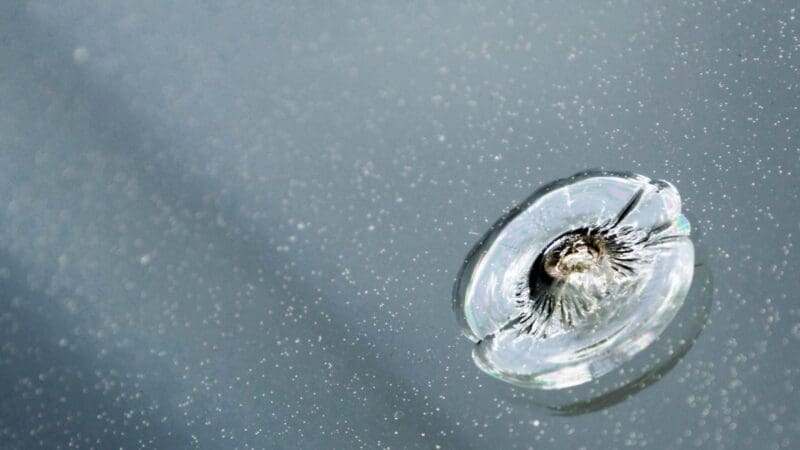
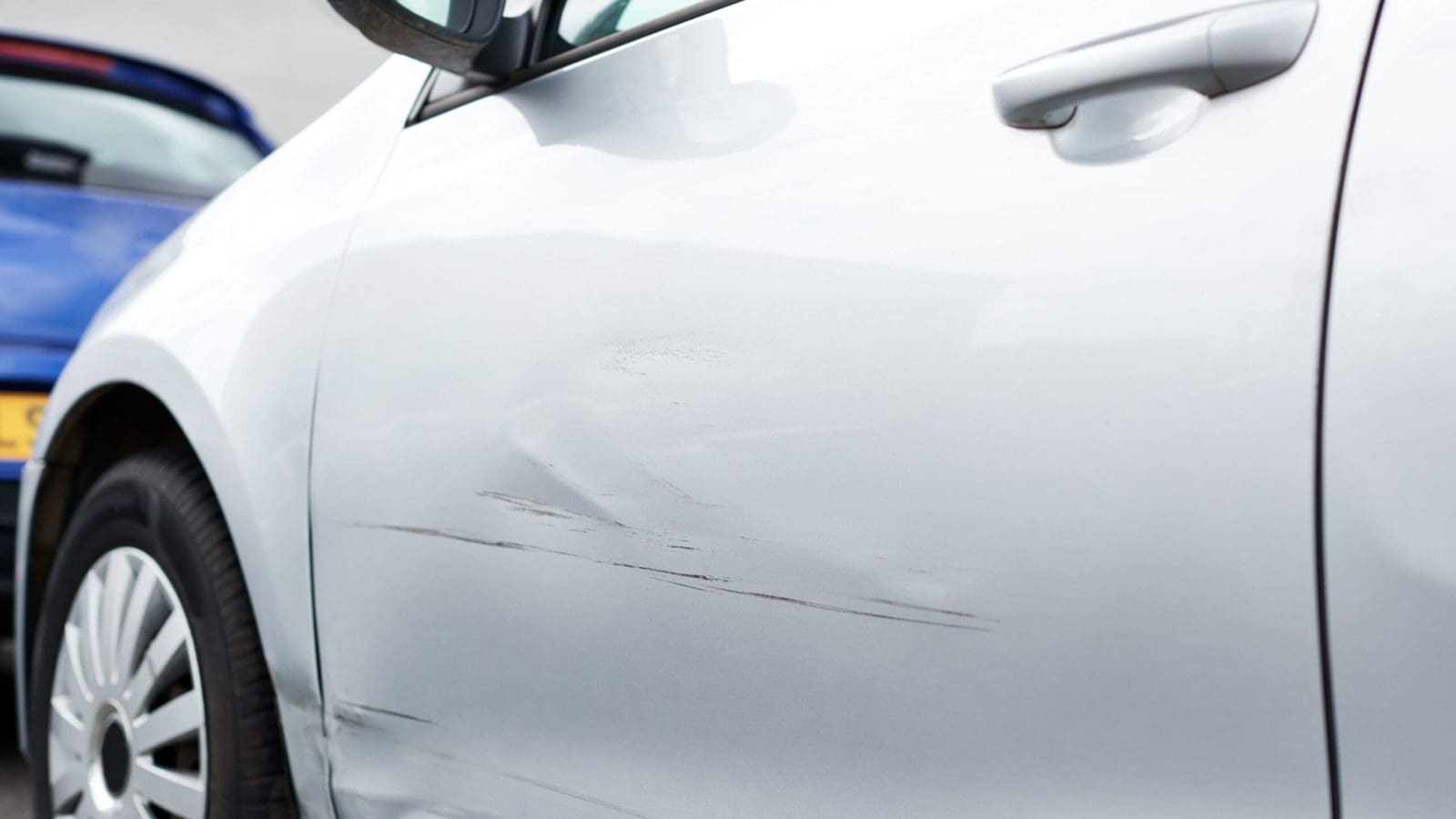
Cosmetic damage is damage to how a car looks, not how it’s built or how it runs: scratches and scuffs in the paint, bumper cover marks, curb rash on the wheels, chips in the windshield, cloudy headlights, and wear, burns or tears inside the cabin. Structural damage is different. Carfax defines it as “any damage to a vehicle’s chassis or underlying structure.”
The line matters because the market treats the two very differently. Structural damage follows a car through history reports and auction disclosures for the rest of its life. Cosmetic damage costs money only until it’s fixed, but until then it costs money at almost every point where a used car changes hands.
Cosmetic, structural and mechanical damage
Most damage on a used car falls into one of three groups.
- Cosmetic. Surface damage that affects appearance: paint scratches and chips, bumper scuffs, wheel curb rash, windshield chips, faded or cloudy headlight lenses, and interior wear such as cracked leather, cigarette burns, stains and torn seams. The car is as safe and sound as it was before.
- Structural. Damage to the frame or unibody, pillars, rails, floor pan or other parts that hold the car’s shape and protect occupants in a crash. The NAAA arbitration guidelines used by wholesale auctions describe it as damage to “the structure or a specific structural component of the vehicle,” often called frame damage.
- Mechanical. Problems with the parts that make the car go and stop: engine, transmission, brakes, suspension, electrical systems.
Some damage sits on the border. A bumper cover with a scuff is cosmetic; the same bumper with a cracked mounting tab or a damaged sensor behind it may not be. A wheel with curb rash is cosmetic; a bent or cracked wheel is a safety problem. A windshield chip is cosmetic until it spreads into a crack across the driver’s view. When in doubt, have it looked at before deciding it’s “just cosmetic.”

Where cosmetic damage costs money at resale
Cosmetic damage doesn’t brand a title or follow the car forever. But every buyer, appraiser and inspector downstream sees it, and each one prices it in.
Trade-in and retail value
Kelley Blue Book sorts cars into condition grades, and cosmetic defects are what separate the top ones. “Very Good” “has minor cosmetic defects,” while “Good” has “repairable cosmetic defects and mechanical problems.” KBB says only about 2% of the cars it values rate Excellent. A trade-in with curb rash, a chipped windshield and a worn driver’s bolster drops a grade before anyone opens the hood.
Auction condition grades
Wholesale auctions grade condition on a 0 to 5 scale based on NAAA guidelines. On that scale, as published by ADESA, a grade 4 car has “only minor chips or scratches in panel surfaces,” and a grade 3 car shows normal wear such as “parking lot dings, small scratches, chips.” Manheim’s AutoGrade deducts for body damage, wheel damage, interior damage and glass, with bigger deductions as the size and number of defects grow. A unit that crosses the block with fixable cosmetic damage gives away grade points, and buyers bid to the grade.
Lease turn-in charges
Leasing companies publish exactly how much cosmetic damage they’ll accept before they bill for it. Three examples:
| Damage | Toyota Financial Services | GM Financial | Ally |
|---|---|---|---|
| Paint scratches | Larger than a credit card and through the paint | 6 inches or longer per panel | See Ally’s guide |
| Wheels | Gouges or scratches larger than a credit card | Scratches or gouges over 3 inches | Broken, cracked, bent or mismatched (scuffs and minor nicks accepted) |
| Windshield | Cracks, stars or bull’s-eyes | Cracks 1/2 inch or larger, or spider cracks | Damage over 1/2 inch or any hole |
| Interior | A cut, tear, burn or stain larger than a credit card | Tears 1/2 inch or larger | See Ally’s guide |
Sources: Toyota Financial Services, GM Financial and Ally wear-and-use guides. Standards change, so check the current guide for the lease in question.
Vehicle history reports
History reports separate the two as well. Carfax says “minor damage may be only cosmetic; it may be noted that way in the Carfax report,” while structural damage is reported as its own entry and, by Carfax’s account, a car with repaired structural damage “usually loses some value.” Repairing cosmetic damage doesn’t erase a reported damage event, but it does make sure the car a shopper sees matches a clean-looking report. For more on how get-ready work shows up, see what “vehicle reconditioned” means on a Carfax report.
Repair it or wholesale it? A rule of thumb for used car managers
Cosmetic damage is the one category a dealer can usually make disappear for less than it costs at sale. A practical way to decide:
- Rule out structural and major mechanical problems first. If either is present, the cosmetic work is rarely the deciding factor.
- List every cosmetic item at appraisal. Wheels, glass, headlights, bumper corners, driver’s seat and dash are where most of it hides.
- Compare the repair cost with the value it protects. If the repairs cost less than the grade drop, the lease charge or the retail discount the damage would cause, fix it.
- Count the days, not just the dollars. Cox Automotive’s 2018 speed-to-market research put holding costs at “$32 to $40 per day per vehicle,” and found units sold in under 30 days averaged far higher gross than units that sat longer. A repair that waits a week for a sublet trip gives back part of what it earns.
- Wholesale when the math says so. A rough unit with structural history, heavy mechanical needs and every panel marked up may be worth more to someone else than it is to your front line.
Fixing cosmetic damage without slowing the lot down
The common cosmetic repairs on used inventory are small, specialized jobs: interior repair for burns, tears and worn leather, wheel repair for curb rash, windshield chip repair, headlight restoration and minor paint and bumper scuff repair. Each one is quick on its own. What slows a lot down is sending each one to a different shop.
Dye It Rite’s technicians handle those repairs on the dealership lot, on a scheduled route, for more than 300 dealerships across six states. When damage turns out to be more than cosmetic, they say so and point you to the right shop. See all cosmetic reconditioning services.
Frequently asked questions
Does car insurance cover cosmetic damage?
It depends on the cause and the policy. Damage from a covered event can be claimed, but normal wear isn’t covered. GEICO notes that “if a scratch or dent costs less to fix than your deductible, filing a claim won’t get you any money back.”
Does cosmetic damage need to be disclosed when selling at auction?
Structural damage and repairs must be disclosed under NAAA arbitration rules. Most cosmetic condition is captured in the condition report and grade instead, though the guidelines also list some items, such as paintwork on three or more panels of a late-model car, that sellers should announce. Check the auction’s current policy.
Is a car with cosmetic damage a bad buy?
Not usually. Cosmetic damage is often the cheapest kind to fix, and a car with honest surface wear and a clean structure can be a better buy than a shiny one with frame history. The key is knowing which kind of damage you’re looking at.
Structural damage changes what a car is. Cosmetic damage only changes what it looks like, and that part is fixable before the next person prices it.
About Dye It Rite Inc.
Family owned since 1984, Dye It Rite repairs interiors, wheels, glass, headlights and minor paint for 300+ dealerships across Pennsylvania, Maryland, Virginia, West Virginia, Delaware and New Jersey. Every repair is done on the lot by a full-time, trained technician. More about us