How to Stop a Windshield Crack From Spreading, and How Long You Can Wait
Tape and a gentle defroster buy time, but only resin repair stops a chip from becoming a crack. Here's what spreads it, how long you can wait, and why dealers should fix chips before the freeze.
By Dye It Rite Inc. 6 min read
In this article
- Why a chip turns into a crack
- How to stop a windshield crack from spreading until it’s repaired
- How long can you wait to fix a windshield chip?
- Repair or replace: what changes when a chip becomes a crack
- Will a cracked windshield fail inspection in Pennsylvania?
- Why dealers should fix chips before the freeze
- Frequently asked questions
You can’t stop a windshield crack from spreading for good with tape or a home kit. You can only slow it down until the glass is repaired. Cover the damage with clear tape, keep the car out of hot and cold extremes, go easy on the defroster, and skip the car wash. Then get the chip or crack filled with resin while it’s still small enough to fix. In a Pennsylvania winter, “still small enough” can mean days, not weeks.
Here’s why chips turn into cracks, what actually slows them down, how long you can reasonably wait, and why a lot full of chipped trade-ins is worth a glass check before the first hard freeze.
Why a chip turns into a crack
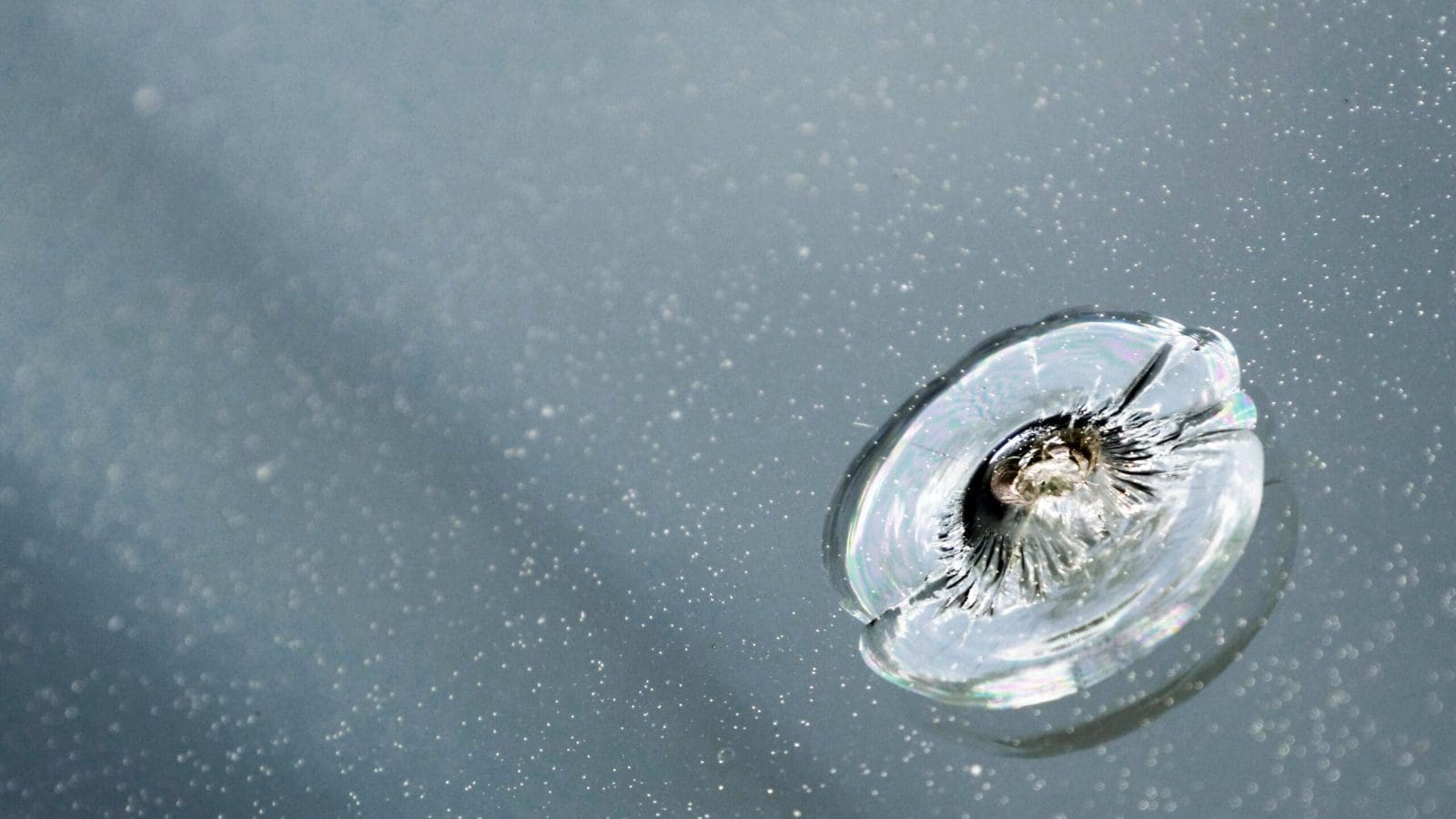
A windshield is laminated: two layers of glass bonded to a plastic interlayer. A rock chip breaks the outer layer and leaves a weak point with tiny fractures running out from it. Anything that flexes or stresses the glass can push those fractures further. Progressive puts it simply: “A chip or crack on your windshield will spread the longer you wait to repair it.”
The usual triggers:
- Temperature swings. Nationwide notes that “a temperature change of 30 degrees or more can make things worse.” A frosty morning followed by a sunny afternoon does exactly that.
- The defroster on high. Hot air on one spot of cold glass makes that spot expand faster than the rest of the windshield.
- Car washes. Cold water on warm glass, or warm water on cold glass, plus the pressure of the brushes and jets.
- Vibration and slammed doors. Potholes, rough lot surfaces and hard door closes all flex the body and the glass with it.
- Location. Damage near the edge of the windshield is the worst case. AAA says edge cracks “tend to spread quickly and easily.”
How to stop a windshield crack from spreading until it’s repaired
None of these fix the glass. They buy time.
- Cover it with clear tape. A piece of clear packing tape over the chip keeps out water and dirt, which make a later repair less clean. Don’t use colored tape in the driver’s view.
- Defrost gently. Start the defroster on low and let the glass warm gradually. Never pour hot water on an iced windshield.
- Park out of the extremes. A garage, a covered spot or simple shade limits how fast the glass heats and cools.
- Skip the car wash. Wait until the damage has been repaired.
- Close doors softly and avoid rough roads. Less flex, less spread.
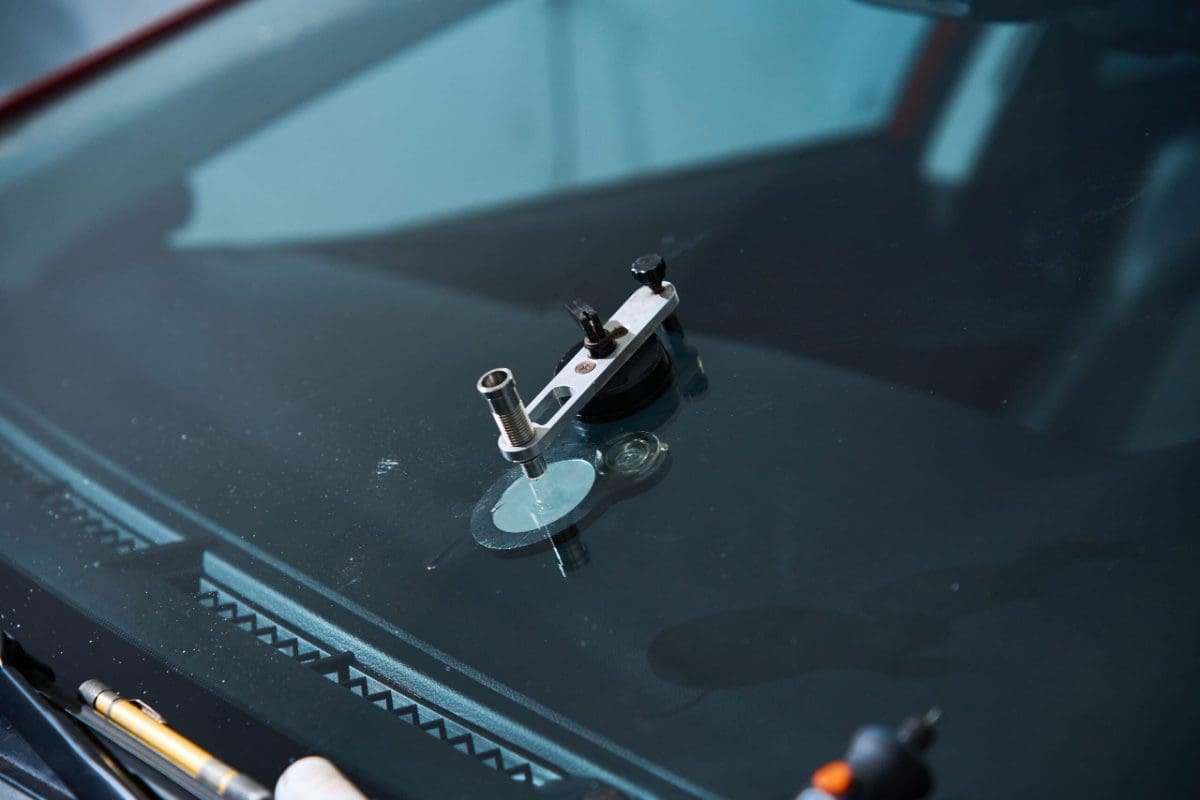
- Book the repair. Resin repair is the only step that actually stops the damage. A technician cleans the break, fills it with resin under pressure, and cures it, which bonds the glass and restores most of its clarity.
What about the DIY kits from the parts store? They can work on a fresh, small chip if the instructions are followed closely. They’re a poor bet on a crack, on damage that has already collected dirt or moisture, or on anything in the driver’s line of sight. A failed home repair can also leave the break harder for a professional to fill.
How long can you wait to fix a windshield chip?
There is no safe number of days. A chip can sit unchanged for a month, or run across the glass the first cold morning the defroster goes on high. The honest answer is that the sooner it’s repaired, the more likely it can be repaired at all.
Repair stops being an option once the damage gets too big or lands in the wrong place. AAA says “chips smaller than a quarter and cracks less than a few inches long are usually repairable,” and that some states don’t allow repairs directly in the driver’s line of sight. Dye It Rite repairs chips, star breaks and cracks typically under 6 inches. Past that, the windshield usually needs replacing.
Repair or replace: what changes when a chip becomes a crack
| Chip or short crack, repaired | Long crack, replaced | |
|---|---|---|
| Time | Usually under an hour, done where the car is parked | A glass shop appointment, plus cure time for the adhesive |
| Original glass | Kept, along with the factory seal | Removed and replaced |
| Camera calibration | Not needed | Required on many newer vehicles |
| Insurance | Many insurers waive the deductible for repair | The deductible usually applies |
| Typical cost, per AAA | About $60 to $100 for a single chip | Much higher, and more again with calibration |
The calibration line matters more every model year. Many vehicles mount a forward-facing camera for lane keeping and automatic braking to the windshield. AAA notes that after a replacement, “the ADAS system must be calibrated after the new glass is installed.” GM’s repair guidance, published through I-CAR, is just as direct: “If the windshield was replaced or R&I, the Frontview camera module must be calibrated.” A repaired chip leaves the glass, and the camera, where they are.
The insurance line is worth knowing too. Progressive says customers can repair “without paying a deductible so long as the crack is repairable.” Coverage varies by policy and insurer, so check yours.
Will a cracked windshield fail inspection in Pennsylvania?
It can. Under 67 Pa. Code §175.80, a passenger vehicle is rejected if the glass is shattered or broken, if there are defects in the acute area of the windshield in front of the driver, or if cracks or discoloration would interfere with the driver’s vision. The rule doesn’t set a crack length, so a spreading crack across the driver’s side is exactly the kind of damage that puts a sticker at risk.
Fleets running commercial vehicles have a federal rule as well. 49 CFR 393.60 requires the windshield to be free of damage in the area above the top of the steering wheel, with narrow exceptions: a single crack not intersected by other cracks, and damage that can be covered by a 3/4-inch disc and sits at least 3 inches from other damage.
Why dealers should fix chips before the freeze
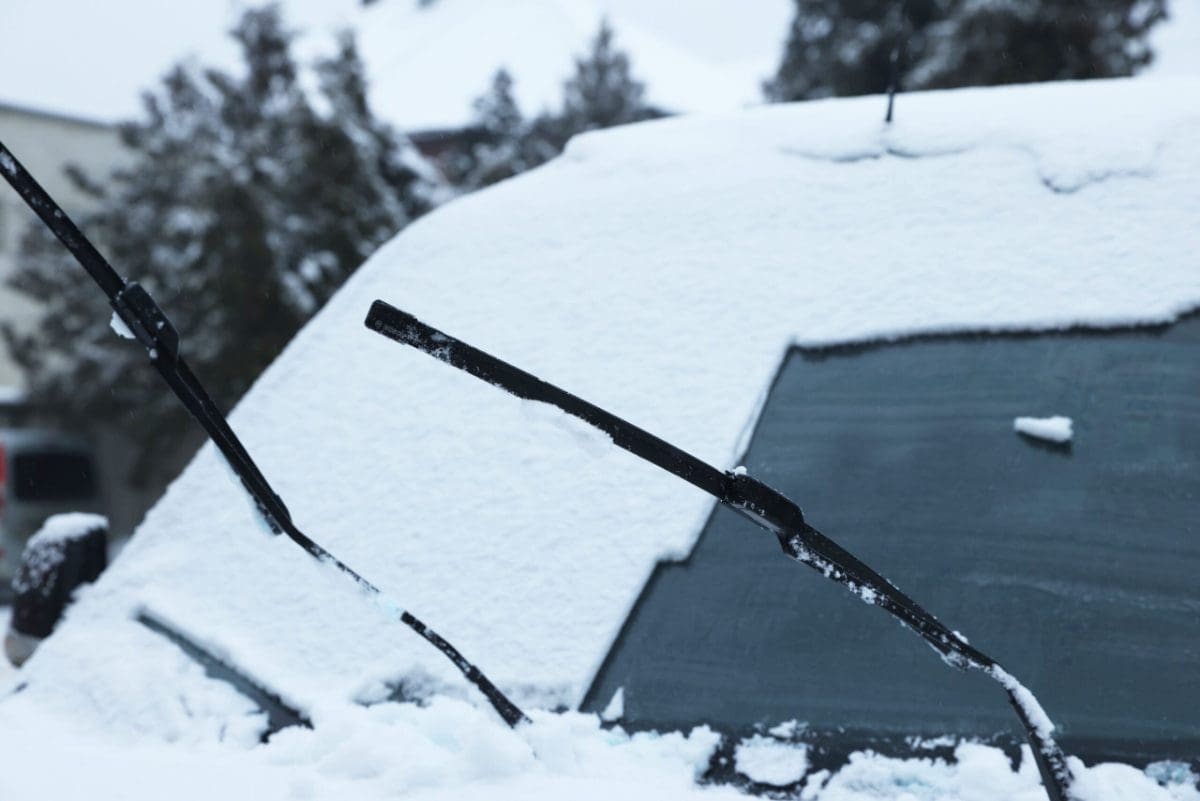
A used car lot in December is the ideal place for chips to spread. Units sit outside through freezing nights and sunny afternoons. Porters run defrosters on high to move cars for test drives. Units go through the wash before photos. Every one of those is a trigger, repeated across every chipped trade-in on the lot.
The cost gap is the reason to act early. A chip repaired at acquisition is a quick, inexpensive fix done on the lot. The same chip after a cold snap can be a replacement, a calibration appointment and several more days before the car is frontline-ready. A cracked windshield also shows up clearly in listing photos and fails the walk-around a buyer does on the lot.
A simple routine keeps it under control:
- Check the glass at appraisal. Note every chip on the appraisal sheet so it goes on the recon list, not into a surprise later.
- Tape chips the day they’re found. It costs nothing and keeps the break clean for repair.
- Put glass on the recon route. Repairing chips on a weekly or biweekly visit catches them before the weather does.
- Tell porters about the defroster. Low heat first, then turn it up.
Dye It Rite technicians repair windshield chips on dealership lots across six states, on the same visit as interior, wheel, headlight and minor paint work, and tell you plainly when a windshield needs replacing instead. See how on-site windshield chip repair works.
Frequently asked questions
Does clear nail polish stop a windshield crack from spreading?
Not reliably. It may seal the surface of a tiny chip for a short time, but it doesn’t bond the glass the way repair resin does, and it can make a later professional repair harder.
Can a crack that has already spread be repaired?
Sometimes. Short cracks away from the edge and outside the driver’s direct view often can be. Long cracks, edge cracks and damage in the driver’s line of sight usually mean replacement.
Is it safe to drive with a cracked windshield?
A small chip outside the driver’s view is mostly a matter of time and cost. A large crack is a safety issue, because the windshield is part of the car’s structure. AAA notes that it “supports the vehicle roof in a rollover” and that in many cars it plays a role in passenger airbag deployment.
Does a repaired chip show on a vehicle history report?
Usually not as damage. Glass repair is routine get-ready work. Read more about how that kind of work appears in what “vehicle reconditioned” means on a Carfax report.
Tape and a gentle defroster buy you time. Resin is what actually stops the crack, and the window for using it is widest before winter sets in.

About Dye It Rite Inc.
Family owned since 1984, Dye It Rite repairs interiors, wheels, glass, headlights and minor paint for 300+ dealerships across Pennsylvania, Maryland, Virginia, West Virginia, Delaware and New Jersey. Every repair is done on the lot by a full-time, trained technician. More about us